How Samsung Designed the Galaxy S26+ Wireless Platform
TechInsights examines Samsung's Exynos 2600 platform, Shannon S5410X2 modem, Wi-Fi 7 implementation, and next-generation RF front-end design.
The Samsung Galaxy S26+ (SM-S947B/DS) showcases Samsung's latest approach to flagship smartphone connectivity, combining the company's new Exynos 2600 platform with advanced 5G, Wi-Fi 7, Bluetooth, and Ultra-Wideband (UWB) technologies.
In this Mobile RF Architecture Analysis report, TechInsights examines the wireless subsystem of Samsung's global dual-SIM Galaxy S26+ through detailed hardware analysis and PCB-level investigation. The device analyzed was purchased in South America and features Samsung's Exynos 2600 chipset, Shannon S5410X2 modem, and S5541 FR1 RF transceiver.
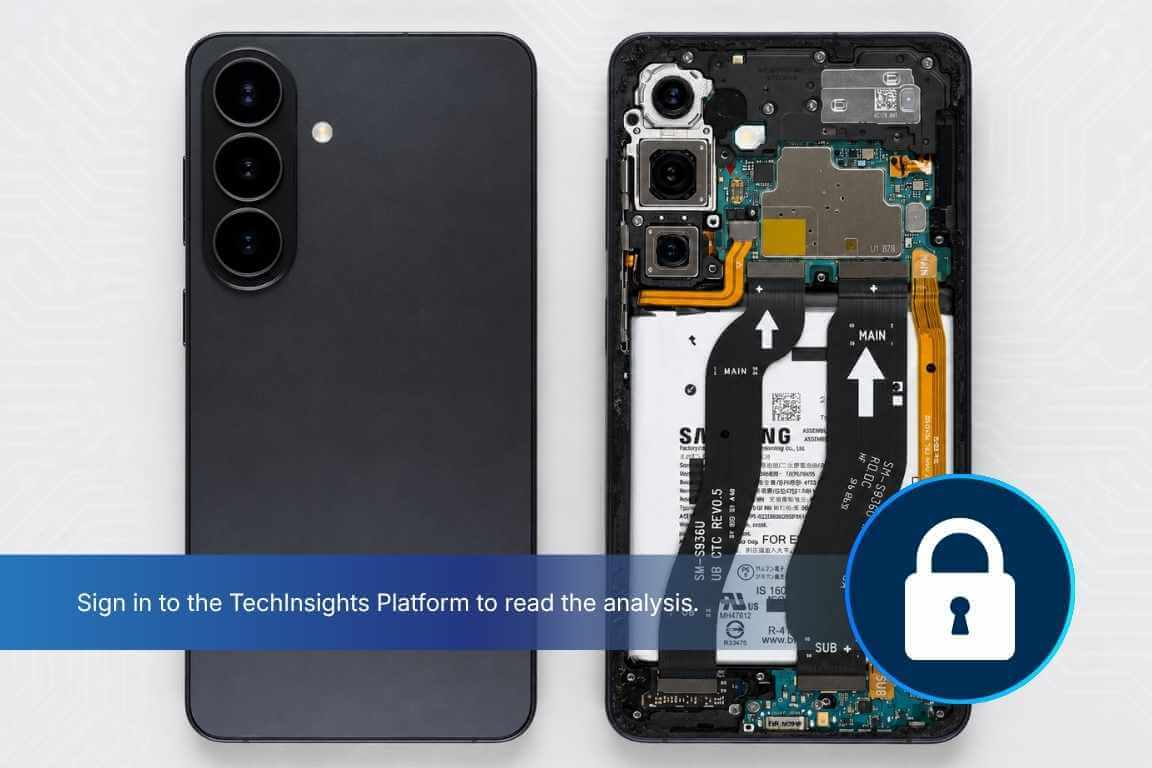
Figure 1 – The complete Samsung Galaxy S26+ (SM-S947B/DS) Mobile RF Architecture Analysis provides detailed architectural diagrams, component-level analysis, antenna connectivity, and signal path mapping that reveal how Samsung designed the wireless platform powering its latest flagship device. (Source: TechInsights)
The Galaxy S26+ is built around Samsung's newest flagship connectivity platform, supporting extensive global 5G coverage alongside next-generation wireless technologies. TechInsights identified a sophisticated RF architecture that integrates cellular, Wi-Fi, Bluetooth, and UWB subsystems while balancing performance, power efficiency, and increasingly complex antenna requirements.
The device also incorporates Qualcomm's WCN7881 Wi-Fi 7 platform supported by Qorvo front-end components, highlighting the continued collaboration between leading connectivity and RF suppliers. As smartphone wireless systems become more advanced, understanding these design choices provides valuable insight into current industry trends and future mobile RF implementations.
Report Highlights
The Samsung Galaxy S26+ Mobile RF Architecture Analysis includes:
- Cellular RF architecture overview
- Wi-Fi 7, Bluetooth, and UWB subsystem analysis
- Antenna and RF front-end implementation review
- Key component identification and supplier analysis
- PCB-level connectivity and signal path mapping
- CircuitVision imagery and routing verification
As the industry transitions toward 5G-Advanced and future wireless standards, RF architectures are becoming increasingly sophisticated. Device manufacturers, network operators, semiconductor companies, foundries, and packaging providers can use this analysis to understand current design trends, integration strategies, and competitive implementations in premium smartphones.