How Xiaomi, Samsung, and Huawei Balance Cost, Connectivity, and Performance
Inside Four Smartwatch Design Strategies
Smartwatch vendors are taking very different approaches to balancing performance, connectivity, battery life, and cost. A TechInsights bill of materials (BOM) comparison of the Xiaomi Watch 5, Huawei Watch GT 5 Pro, Samsung Galaxy Watch8 LTE, and Xiaomi Watch S4 15th Anniversary Edition reveals how processor selection, cellular connectivity, and materials choices impact overall device costs.
Our analysis shows the Xiaomi Watch S4 achieves the lowest estimated cost among the four devices, approximately 21% lower than the Xiaomi Watch 5, while the Samsung Galaxy Watch8 LTE has the highest estimated cost at 9% above the Xiaomi Watch 5. The Huawei Watch GT 5 Pro sits just below the Xiaomi Watch 5, with an estimated cost reduction of approximately 3%.
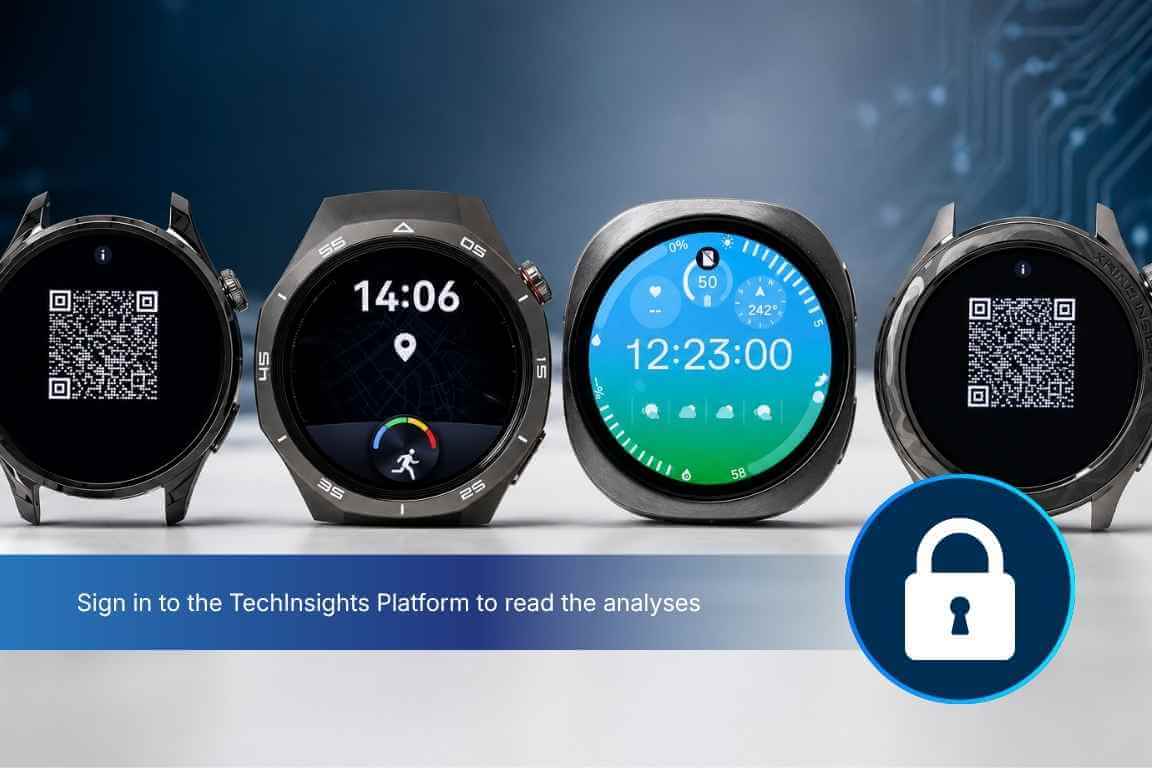
Figure 1 – Discover detailed BOM cost breakdowns, processor analysis, component sourcing, and teardown insights unavailable anywhere else. (Source: TechInsights)
One trend stands out across all four smartwatches: the display subsystem remains the largest cost driver, accounting for between 22.6% and 32.3% of total BOM cost. Samsung's Galaxy Watch8 LTE allocates the highest percentage of its cost structure to display and touchscreen components.
The processor strategy is where these devices diverge most significantly. The Xiaomi Watch 5 leverages Qualcomm's Snapdragon W5 Gen 1 platform, while Samsung relies on its 3nm Exynos W1000 processor, which alone contributes nearly 22% of total device cost. Xiaomi's Watch S4 showcases the company's custom XRING T1 applications/baseband processor, highlighting Xiaomi's growing investment in vertical silicon integration. Huawei takes a different approach altogether, eliminating a traditional applications processor to optimize efficiency and cost.
Connectivity also plays a major role in cost structure. The Xiaomi Watch 5 and Huawei Watch GT 5 Pro are Bluetooth-only devices, while the Samsung Galaxy Watch8 LTE and Xiaomi Watch S4 support cellular connectivity. As a result, applications/baseband processing becomes one of the largest cost contributors in both LTE-enabled smartwatches.
Beyond silicon, Xiaomi differentiates the Watch 5 with a massive 930 mAh battery featuring silicon-carbon technology and gesture controls enabled through EMG and PPG sensors. Huawei emphasizes premium titanium and ceramic construction, while Samsung expands health monitoring capabilities with new BioActive and infrared temperature sensing technologies.
Key Findings
Our analysis reveals:
- Xiaomi Watch S4 delivers the lowest estimated BOM cost despite supporting LTE.
- Samsung Galaxy Watch8 LTE has the highest overall cost and the largest processor investment.
- Xiaomi Watch 5 balances premium performance with one of the largest smartwatch batteries on the market.
- Huawei Watch GT 5 Pro achieves cost efficiency through a simplified Bluetooth-only architecture.
- Display and touchscreen components remain the largest cost driver across all four devices.