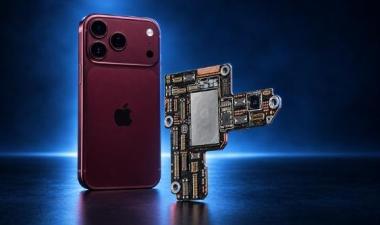
Apple iPhone 18: What the New Devices Could Reveal
Apple is expected to introduce the iPhone 18 Pro, iPhone 18 Pro Max, and its first foldable iPhone on September 9, 2026.
From 2 nm silicon and Apple-designed connectivity to new camera, memory, and packaging decisions, the devices could provide an important look at Apple’s evolving technology strategy.
Stay Ahead of the iPhone 18
Get the Latest Analysis
Sign up to receive updates as TechInsights releases new teardown findings, reverse-engineering analysis, and insights following Apple’s announcement.
APPLE IPHONE SEPTEMBER 8, 2026
Why the Apple iPhone 18 Matters
The iPhone 18 generation could represent more than Apple’s next annual upgrade. Reports point to new silicon, connectivity, camera and display changes, a revised release strategy, and Apple’s potential entry into the foldable smartphone market.
The bigger question is what these decisions could reveal about Apple’s technology roadmap, supplier relationships, cost priorities, and plans for the premium smartphone market.
The iPhone 18 could signal a broader shift in Apple’s smartphone strategy, with important implications for silicon, connectivity, memory, imaging, packaging, and the global component supply chain.
What Is Expected from the Apple iPhone 18?
Apple is expected to announce the iPhone 18 Pro, iPhone 18 Pro Max, and a new foldable iPhone on September 9, 2026.
Reported developments include an A20 Pro processor manufactured using TSMC’s 2 nm process, a possible Apple-designed C2 modem, camera and display upgrades, increased memory, and new foldable display and packaging technologies.
These details remain unconfirmed until Apple’s announcement.
Apple iPhone 18 Release Date and Launch Strategy
Apple has traditionally introduced its main iPhone lineup together in September. This year could be different.
Reports suggest Apple may divide the iPhone 18 family across two release periods. The iPhone 18 Pro, iPhone 18 Pro Max, and a potential foldable iPhone could arrive in September 2026. The standard iPhone 18, iPhone 18e, and second-generation iPhone Air may follow in spring 2027.
If accurate, the strategy would give Apple’s highest-value devices greater visibility during the holiday period while creating a second launch opportunity for more affordable models.
It could also reflect the increasing complexity of Apple’s portfolio. New silicon, rising memory costs, evolving modem technology, and the manufacturing requirements of a foldable device may make a single annual launch less practical.
A split release schedule could signal a lasting change in how Apple manages product positioning, manufacturing complexity, and demand across the iPhone portfolio.
A20 Pro Chip and TSMC 2 nm Technology
The anticipated A20 Pro application processor could be the most important semiconductor development inside the iPhone 18 Pro.
The processor is expected to use a 2 nm-class manufacturing process, potentially improving transistor density, performance, power efficiency, and on-device AI processing.
The process node is only the beginning of the story. Physical analysis will be required to determine how Apple has changed the processor architecture, die design, packaging, and power-management strategy.
Analysis may also reveal whether Apple uses different A20 configurations across the Pro, standard, and foldable models.
Apple C2 Modem and iPhone 18 Connectivity
The iPhone 18 generation may mark another step in Apple’s effort to develop more of its connectivity technology internally.
Reports point to a new Apple-designed C2 modem, although Qualcomm technology may remain in certain devices or geographic markets.
Apple’s choices could affect suppliers across cellular modems, RF transceivers, front-end modules, filters, tuners, power amplifiers, and related connectivity components.
The question is not only whether Apple’s modem can compete with established solutions. It is how quickly Apple can integrate more of the connectivity architecture and reduce its reliance on external suppliers.
Apple’s decisions around the A20 Pro, 2 nm manufacturing, packaging, memory, and cellular connectivity could reshape component design wins and supplier relationships across the mobile semiconductor ecosystem.
iPhone 18 Pro Camera and Display Rumors
The iPhone 18 Pro is expected to retain a three-camera rear system, with reports suggesting a possible variable-aperture main camera.
A variable aperture changes the amount of light reaching the image sensor. This could provide greater control over exposure and depth of field while helping the camera adapt to different lighting conditions.
Additional rumors include a higher-resolution front-facing camera, improved computational photography, changes to Camera Control, and a smaller Dynamic Island.
The value of these developments will depend on more than headline specifications. Image-sensor architecture, lens construction, stabilization, image processing, display technology, and software integration will determine whether the changes deliver meaningful improvements.
Apple’s First Foldable iPhone
Apple’s anticipated entry into the foldable smartphone market could become the defining story of the launch.
The product is commonly called the iPhone Ultra or iPhone Fold in public reporting, but Apple has not confirmed its name.
Unofficial mockups show a book-style device with an approximately 5.5-inch external display and a 7.8-inch internal display. Reported features include an A20-series processor, side-button Touch ID, a titanium-based enclosure, two rear cameras, and a display engineered to reduce the visible crease.
These details remain unconfirmed. Images circulating online appear to show mockups, dummy units, and interpretations based on supply-chain information rather than verified retail hardware.
The physical device could answer more important engineering questions. TechInsights will be looking closely at the hinge, folding display, enclosure, battery placement, thermal management, internal packaging, device thickness, and the compromises required to create Apple’s first foldable iPhone.
Apple’s engineering decisions could reveal whether the company views foldable smartphones as an ultra-premium niche or the beginning of a broader transformation of the iPhone portfolio.
iPhone 18 Memory and On-Device AI
Reports differ over whether certain iPhone 18 models will contain 9 GB or 12 GB of RAM.
That distinction could become increasingly important as Apple expands on-device AI. Advanced language, voice, imaging, and personal-assistant features require significant memory capacity and bandwidth, particularly when processing occurs locally.
Apple’s memory choices could provide insight into on-device AI requirements, mobile DRAM demand, product differentiation, supplier selection, power consumption, and cost pressures across the lineup.
Memory capacity may also become a defining factor in determining which AI capabilities each iPhone model can support.
What TechInsights Will Investigate
Apple’s announcement will explain what the new devices can do. Physical analysis will reveal how they were built.
TechInsights will examine the A20 Pro processor, process technology, packaging, modem and RF architecture, memory, camera sensors, display technology, component design wins, supplier changes, and preliminary bill-of-materials costs.
For Apple’s potential foldable iPhone, the analysis will focus on the display, hinge, enclosure, battery configuration, thermal management, and internal packaging.
These findings will then be connected to Apple’s broader technology strategy, procurement priorities, supplier ecosystem, device costs, and the competitive outlook for the smartphone market.
Combining teardown and reverse-engineering evidence with component identification, costing, and market intelligence provides a more complete view of Apple’s decisions than specifications alone.
The launch tells you what Apple wants you to see. TechInsights reveals what is inside and why it matters.
Follow TechInsights for upcoming iPhone 18 Pro, iPhone 18 Pro Max, and foldable iPhone teardown and reverse-engineering analysis.