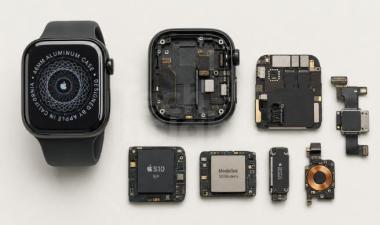
Inside the Apple Watch Series 11 5G: What It Reveals About the Future of Wearable Engineering
10 Min Read May 14, 2026
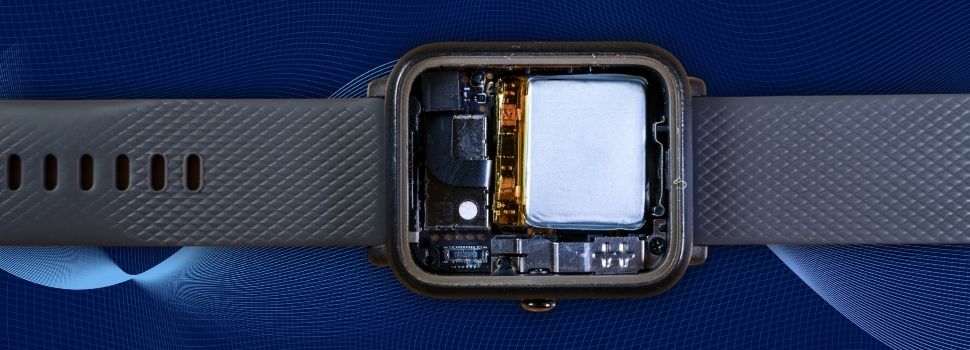
Smartwatches were already among the most complex devices to design. Then Apple raised the bar again. With the Apple Watch Series 11 5G, the industry is seeing a new level of integration; bringing advanced connectivity, sensing, and processing into one of the smallest and most constrained form factors in consumer electronics.
On the surface, it’s another step forward in wearables. But for anyone in product development, sourcing, or competitive strategy, the real question is:
How did they build it, and what does it cost to do so?
Why This Matters Right Now
The Apple Watch Series 11 5G isn’t just another product release. It’s a signal of where the wearable market is heading.
- Greater system integration in smaller form factors
- Increasing pressure on battery life vs. performance
- More complex RF and connectivity requirements
- Rising importance of sensor differentiation
- Tighter cost constraints despite added functionality
And this isn’t limited to smartwatches. The same pressures are shaping adjacent categories—from premium audio systems to emerging AI wearables like smart glasses.
From Curiosity to Competitive Advantage
There’s a difference between seeing a device and understanding it. The companies that lead in this space aren’t relying on assumptions. They’re working from detailed, validated insight into how products are actually built. That’s what teardown analysis delivers:
- Clarity on real-world engineering decisions
- Insight into supplier and component strategy
- Visibility into cost structures and margin pressures
- Benchmarks for your own product roadmap
Because in a market defined by trade-offs, understanding those trade-offs is the advantage.
Go Inside the Apple Watch Series 11 5G
If you want to understand how Apple engineered its most advanced smartwatch—and what it really takes to build it—you can access the full Deep Dive teardown.
(Free Account and Login Required to view)