Sony LYT-901: Inside Sony's First 200MP LYTIA Image Sensor
Explore the architecture, process technology, and integration techniques powering Sony's latest flagship image sensor.
Sony continues to push the boundaries of smartphone imaging with the introduction of the LYT-901, its first 200MP image sensor in the LYTIA family. Designed for flagship mobile devices, the sensor combines ultra-high resolution with advanced HDR capabilities, stacked sensor technology, and innovative pixel architecture.
As smartphone OEMs race to differentiate camera performance, image sensor design has become increasingly complex. The Sony LYT-901 showcases several notable innovations, including a stacked back-illuminated CMOS architecture, Quad-Quad Bayer Coding (QQBC), advanced HDR implementation, and full-pixel phase detection autofocus.
TechInsights has completed a detailed reverse engineering analysis of the Sony LYT-901, examining both the image sensor and its advanced stacked integration approach.

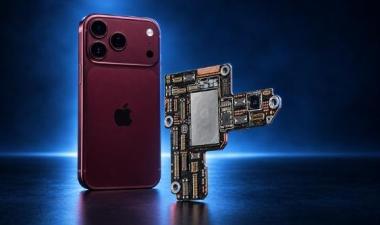
Figure 1 – Explore TechInsights' analysis of Sony's LYT-901 200MP image sensor, featuring stacked CMOS architecture, QQBC technology, advanced HDR, and hybrid bonding. (Source: TechInsights)
What You'll Learn in the Report
Our analysis reveals:
- The sensor's stacked back-illuminated CMOS architecture
- Sony's implementation of Quad-Quad Bayer Coding (QQBC)
- Advanced HDR design techniques, including DCG-HDR support
- Pixel architecture and autofocus implementation
- Hybrid bonding and die-stacking technologies
- Foundry identification and process technology insights
- Detailed SEM cross-sections, optical imagery, and layout analysis
Why It Matters
The Sony LYT-901 represents an important evolution in smartphone image sensor design, balancing higher resolution, improved dynamic range, and advanced computational imaging capabilities.
For image sensor designers, foundries, equipment suppliers, and technology strategists, understanding the architectural decisions behind the LYT-901 provides valuable insight into the future direction of mobile imaging technology.