Silicon Equipment Components Market Report
This report provides a detailed examination of the market for silicon parts used in semiconductor process equipment, including silicon base materials and fabricated silicon components for wafer process tools in semiconductor device manufacturing. These silicon parts are treated as consumables, as they require periodic replacement due to wear from repeated exposure to demanding process environments. The report outlines the full supply chain, from high-purity polysilicon feedstock through base material production and silicon fabrication, offering clarity on how materials flow into critical equipment components.
Focused on silicon used in both semiconductor and LED process equipment, the report delivers in-depth analysis of parts revenue by OEM tool set, regional market share, fabricator market share, and overall market growth forecasts. It also explores future performance and material requirements, including a comparative assessment of silicon versus silicon carbide in advanced process applications. Subscribers receive three quarterly updates, providing timely analyst insights on market trends, evolving technology requirements, and updated forecasts throughout the year.
One Platform. One Trusted Source. Complete Semiconductor Visibility.
Gain the Advantage with Semiconductor Materials Intelligence.
Request a demo to see how TechInsights brings clarity to the most complex supply chain on earth.

Apple iPhone 18 Memory Costs: DRAM & NAND Price Pressure
DRAM and NAND prices are rising through the iPhone 18 launch. See what higher memory costs could mean for Apple, AI, BOM costs, and smartphone strategy.

Apple iPhone 18 Pro: A20 Pro, Camera, C2 Modem & Key Changes
Explore what is new in the Apple iPhone 18 Pro and Pro Max, including the 2 nm A20 Pro, variable-aperture camera, C2 modem, cooling, and battery.
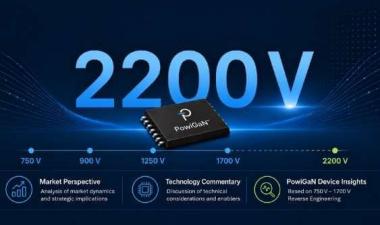
Can 2200 V PowiGaN Challenge Silicon Carbide?
Access TechInsights’ special report on Power Integrations’ 2200 V PowiGaN demonstration and its potential impact on high-voltage power semiconductor markets.

The Authoritative Information Platform to the Semiconductor Industry.